START Summit 2026: Europe Moves From AI Hype to Deep Tech Execution
Europe's student-run startup conference shifted from AI hype to deep tech commercialization. The Alpine region positioned itself as a structural advantage for industrial innovation, with founders moving from research prototypes to scalable companies.


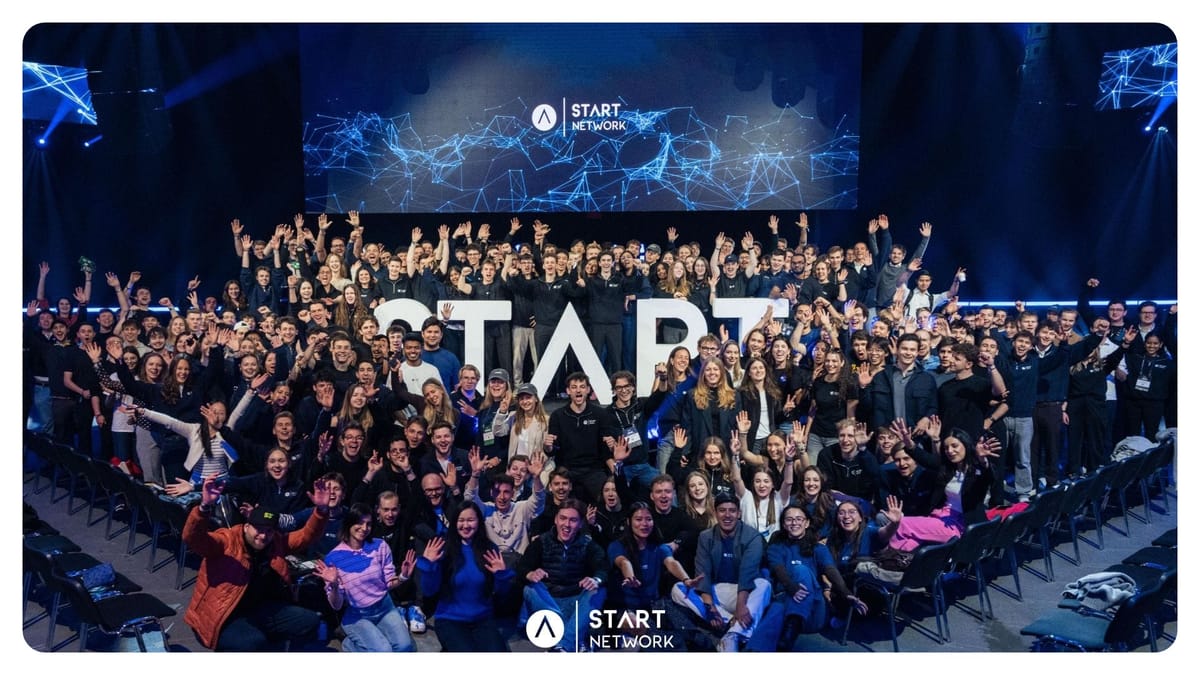
START Summit tested whether Europe's early-stage ecosystem could move beyond AI narratives and into industrial deep tech deployment. Held in St. Gallen, the conference served as a barometer for how student founders and pre-seed startups are responding to the end of easy capital and the demand for real technical moats.
The Alpine region which spans from Geneva to Munich, was positioned as a structural advantage, not just a geographic descriptor. This year marked a deliberate pivot. The focus shifted to robotics, precision manufacturing, and applied research commercialization. The thesis: Europe's strength lies in translating scientific excellence into companies that build physical products with long development cycles and defensible IP.
What Stood Out
The 2026 edition revealed where Europe's earliest-stage founders are placing their bets.
- Deep tech founders outnumbered pure software plays: Robotics, biotech, and industrial AI startups dominated booth applications and pitching competitions, signaling a shift from SaaS to hardware-intensive models
- Pre-seed founders arrived with technical co-founders, not pitch decks: University spin-offs and research lab to commercialization, made up a larger share of attendees, reflecting longer timelines and capital intensity
- The Alpine axis was framed as a competitive advantage: Dense networks of applied research institutions, precision manufacturing infrastructure, and engineering talent were positioned as Europe's answer to Silicon Valley's software dominance
- Revenue and deployment replaced growth metrics: Conversations centered on customer pilots, manufacturing partnerships, and regulatory pathways rather than user acquisition or virality
- Capital followed constraint: Investors prioritized startups solving problems in energy, defense, and industrial automation—sectors where technical barriers create natural moats
The Competition
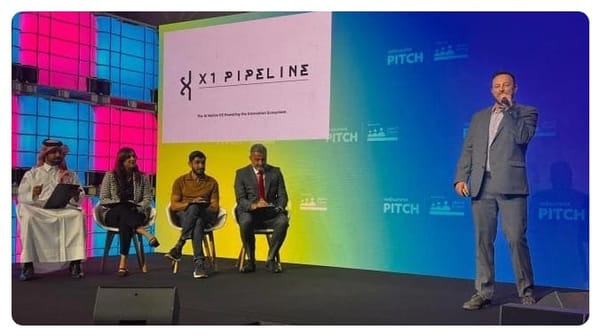
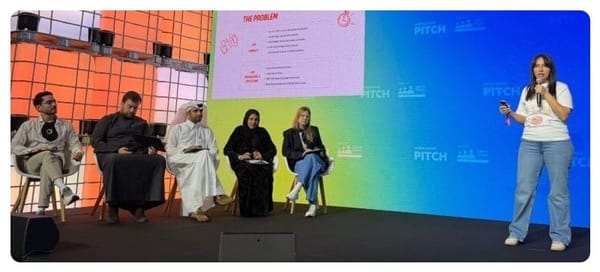
START Summit featured a startup competition that brought together early-stage companies from across Europe. The competition provided a platform for founders to present their ventures to investors, industry leaders, and potential partners.
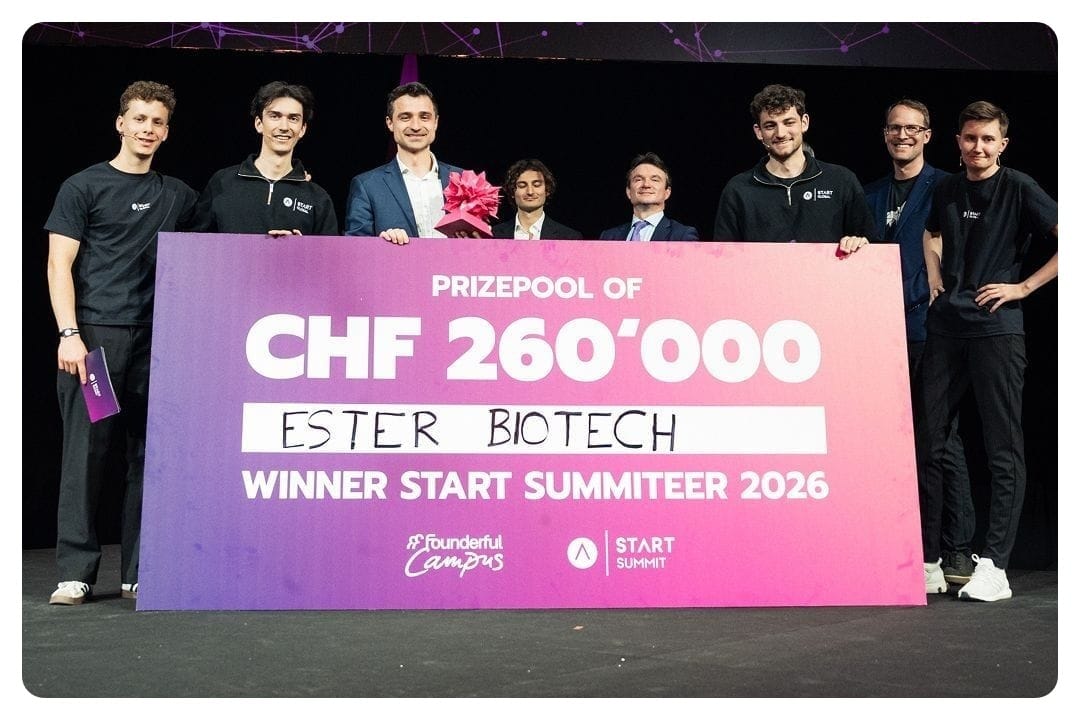
Competition Winner
ESTER Biotech GmbH
Founder: Christian Sonnendecker
Pitch:
ESTER Biotech uses enzymes to break down PET (Polyethylene terephthalate) and multilayer plastics into molecular building blocks that can be reassembled into virgin-quality material.
Problem:
Mechanical recycling degrades plastic quality with each cycle and cannot process complex waste streams, leaving 90% of plastic unrecycled.
What stood out:
The enzymatic process works on materials that mechanical systems reject entirely such as multilayer packaging and contaminated streams. The process is without quality loss. Making previously unrecyclable waste into viable feedstock.
Traction:
ESTER Biotech won first place at the START Summit Pitching Competition and secured an EXIST Business Start-up Grant from the German federal government.
Why they won:
If enzymatic recycling scales, it could turn industrial plastic waste into a circular input for food-safe packaging without relying on virgin fossil resources.
Startup Standouts
DeepPsy
Founder: Mateo de Bardeci
Pitch:
DeepPsy analyzes EEG and ECG brain data to help psychiatrists select the most effective treatment for patients with depression, including medications like SSRIs and SNRIs, as well as interventions like rTMS, ketamine, and ECT.
Problem:
More than 8% of the Western population takes antidepressants. Treatment effectiveness remains below 50% because clinicians rely on trial and error.
Traction:
Over 1,000 pre-sales reports generated, reimbursement secured in Switzerland, and regulatory approvals live in Switzerland, the UK, and the UAE. DeepPsy is on it's way to getting EU Class IIa approval.
What stood out:
DeepPsy translates replicated EEG and ECG biomarkers from published clinical trials into actionable reports that guide treatment selection. This brings brain data into routine clinical workflows where it has historically been absent.
Why it matters:
If brain-based treatment selection replaces trial and error, psychiatry could shift from guesswork to precision treatment. Overall reducing recovery time and treatment costs in a field where standard approaches fail half the time.
Hemetron
Founder: Alexander Tanno
Pitch:
Hemetron builds a handheld device and test kits that measure inflammation markers like C-Reactive Protein from a blood sample at home, delivering lab-quality results to a smartphone app in minutes.
Problem:
Patients with chronic conditions rely on infrequent doctor visits for blood monitoring, which delays treatment adjustments and limits visibility into disease progression.
Traction:
Hemetron has completed six years of R&D, received Venture Kick funding, was named Venture Leader Medtech, and has full patient testing planned.
What stood out:
The device performs quantitative analysis without shipping samples to a lab, turning episodic clinical snapshots into continuous data streams that physicians can use to adjust therapies in real time.
Why it matters:
High-frequency home monitoring shifts chronic disease management from reactive to proactive, allowing clinicians to optimize treatments based on trends rather than isolated measurements.
Optohive
Founder: Dominik Wyser
Pitch:
Optohive builds HiveOne, a wearable brain imaging system using functional Near-Infrared Spectroscopy (fNIRS) to monitor brain activity, paired with OptoLytics software that analyzes the data for research and clinical use.
Problem:
Traditional brain imaging tools like fMRI are expensive, immobile, and confined to lab settings, limiting their use for real-world monitoring of neurological conditions.
Traction:
Optohive is a spinoff from research at ETH Zurich and University Hospital Zurich. They were the finalist for the Swiss Technology Award 2025 and are backed by Venture Kick and Innosuisse.
What stood out:
The system makes high-precision brain imaging portable. They are shifting neuroscience from controlled lab environments to everyday clinical and rehabilitation settings where continuous monitoring can inform treatment decisions.
Why it matters:
Wearable brain imaging enables objective, continuous data collection for personalized neurological care outside hospital walls.
OrthoSens
Founder: Gwenael Hannema
Pitch:
OrthoSens embeds battery-free sensors inside standard orthopedic implants to monitor recovery in real time, turning implants into connected devices without changing surgical workflow.
Problem:
30 million patients leave surgery each year with no data on healing until their next appointment.
Traction:
The company went from concept to working MVP in 12 months, filed 2 patents, signed a conditional sensor sale with a French implant OEM, secured 3 additional LOIs, and raised CHF 893k in non-dilutive funding.
What stood out:
The sensor is paper-thin, passive, and powered wirelessly by an external wearable, eliminating the battery that limits miniaturization and prevents use in spine, foot, and ankle surgeries.
Why it matters:
Battery-free sensing opens implant categories where powered devices cannot fit, expanding remote monitoring beyond knees into higher-revision procedures like spine fusions.
Skaaltec
Founder: Dane Donegan
Pitch:
Skaaltec developed SmartVNS, a wearable neurostimulation device that synchronizes non-invasive vagus nerve stimulation for stroke patient's daily movements to accelerate motor recovery at home.
Problem:
After short clinical windows, stroke survivors lose access to intensive medical-grade rehabilitation and lack tools to continue effective therapy independently.
Traction:
Spun out of ETH Zurich's RELab with backing from Venture Kick, Innosuisse, the ETH Foundation, and the Future of Health Grant. They are currently conducting clinical studies.
What stood out:
The system automates personalized therapy by detecting movement and delivering stimulation in real time, removing the need for surgical implants or constant clinical supervision. SmartVNS makes neuro-rehabilitation passive rather than protocol-dependent.
Why it matters:
Skaaltec shifts complex neuro-rehabilitation from clinic-only settings to continuous home use, expanding access to recovery tools for stroke survivors beyond traditional care windows.
SYDRA
Founder: Pavlo Mozharovskyi
Pitch:
SYDRA uses generative AI and autonomous robotics to screen and discover small molecules which are geroprotectors that extend healthspan and lifespan.
Problem:
Standard screening methods struggle to reliably identify compounds that impact complex longevity pathways in living organisms, making aging drug discovery slow and expensive.
Traction:
The company is backed by Swiss innovation programs Venture Kick and Venture Lab.
What stood out:
SYDRA closes the loop between computational prediction and biological validation by running AI-generated hypotheses directly through robotic experiments, removing the manual handoff that typically slows discovery cycles.
Why it matters:
If SYDRA's approach scales, it could industrialize the discovery of geroprotectors and shift aging research from academic labs into systematic drug development pipelines.
Kuafu AG
Founder: Federica Bellizio
Pitch:
Kuafu operates a grid-edge orchestration platform that connects energy management systems with grid operators to optimize thermal and electrical assets through predictive control and real-time monitoring.
Problem:
Grid operators lack visibility into local energy assets while electrification of heating and mobility strains infrastructure without mechanisms to balance supply and demand dynamically.
Traction:
Backed by Founderful Campus and ESA BIC Switzerland (Cohort #19), selected for MassChallenge Switzerland 2025, and supported by Innosuisse and the Swiss Federal Office of Energy.
What stood out:
Rather than treating distributed energy resources as passive loads, Kuafu positions them as controllable grid assets that can respond to real-time balancing needs, creating a software layer between fragmented local systems and centralized grid operations.
Why it matters:
This approach enables grid stability through software coordination instead of expensive physical infrastructure upgrades as renewable penetration increases.
Neology
Founder: Aris Maroonian
Pitch:
Neology builds modular ammonia cracking systems and Ammonia Power Generators that convert ammonia into hydrogen for zero-emission electricity generation, targeting off-grid and industrial applications as a diesel generator replacement.
Problem:
Diesel generators dominate off-grid power despite high emissions and noise, while batteries lack the energy density for long-duration or high-power industrial use.
Traction:
The company closed a $3.0M Seed round in 2025, demonstrated a 5kW generator for construction sites, and secured a 50kW ammonia cracker pilot.
What stood out:
Neology treats ammonia as a hydrogen carrier rather than building new hydrogen infrastructure, using existing global ammonia supply chains to deliver clean power where grid access is impractical.
Why it matters:
This approach creates a path to decarbonize construction sites and remote industrial operations without requiring new fuel distribution networks.
Planeto
Founder: Stefano Cozza
Pitch:
Planeto provides software that automates the planning and design of 5th-generation district heating and cooling networks. The platform allows energy experts to analyze building stock, simulate hydraulic systems, and model financial scenarios for multi-source thermal energy projects.
Problem:
Designing district energy networks is a complex, manual process that slows down decarbonization efforts as engineers struggle to efficiently model multiple energy sources and financial viability.
Traction:
The company won CHF 150,000 from Venture Kick and has deployed its platform in projects across Switzerland, including working with utilities organizations and engineering firms.
What stood out:
Planeto digitizes a workflow that has traditionally required extensive manual engineering work, compressing the time needed to evaluate technical and financial feasibility for renewable thermal infrastructure projects.
Why it matters:
Faster design cycles for district heating networks can accelerate the deployment of renewable thermal energy infrastructure in cities where heat decarbonization remains a major bottleneck.
Winduction
Founder: Sonam Bhuka
Pitch:
Winduction enables electric buses to charge wirelessly through their wheels during routine stops, eliminating cables and visible infrastructure.
Problem:
Public bus electrification forces trade-offs between battery size, infrastructure cost, grid load, and operations which leads to higher total cost and operational complexity.
Traction:
Winduction has secured four signed LOIs for pilot projects, raised an oversubscribed CHF 1.15M pre-seed round, and has two pending patent families.
What stood out:
The wheel-based architecture minimizes the air gap between transmitter and receiver, enabling higher power transfer per wheel and better efficiency than competing systems that rely on larger gaps or centralized receivers.
Why it matters:
By shifting charging from infrastructure-heavy nodes to distributed stops, Winduction reduces total cost of ownership by up to 35% while enabling 24/7 bus operations without downtime.
Riverkin
Founder: Jessica Droujko
Pitch:
Riverkin deploys ultra-low power sensor networks in freshwater ecosystems to measure water flow, temperature, and sediments in real time. The company pairs ground-level sensors with predictive software to deliver granular environmental data.
Problem:
Satellite imagery lacks the local resolution needed to detect floods, landslides, and pollution early enough for communities and industries to respond.
Traction:
The ETH Zurich spin-off raised CHF 1.7M in late 2025 and has deployed 26+ sensors with over 12 months of field runtime.
What stood out:
Riverkin provides the ground-truth layer that satellite data misses, creating a complete view of watershed conditions. This combination enables prediction at the local scale where decisions are made.
Why it matters:
High-resolution water data becomes essential infrastructure as extreme weather and scarcity intensify pressure on freshwater systems.
WasteFlow
Founder: Théophile Agresti
Pitch:
WasteFlow retrofits AI-powered sensors across recycling conveyor lines to detect hazardous materials, prevent fires, and provide real-time visibility into what flows through the facility.
Problem:
Most waste sorting facilities operate blind, with no real-time visibility into conveyor contents, leading to fires from undetected lithium batteries and significant unplanned downtime.
Traction:
The company has signed 24 sensors, generated 250k CHF in revenue, and deployed across facilities in Switzerland, France, and Spain.
What stood out:
WasteFlow deploys sensors across the entire conveyor line—not just isolated points—and automatically stops the line when dangerous objects are detected, turning monitoring into active intervention.
Why it matters:
By giving facilities end-to-end visibility and automated hazard response at a fraction of traditional costs, WasteFlow addresses a structural blind spot that has caused billions in lost value and hundreds of fires annually.
Blueprint Crusher
Founder: Jason Park
Pitch:
Blueprint Crusher automates bill of quantities generation and cost estimating from construction tender documents using AI.
Problem:
Estimators spend 60–80% of their time organizing unstructured PDFs and spreadsheets instead of pricing or strategy.
Traction:
Blueprint Crusher has paying customers generating €5,000 MRR in Ireland.
What stood out:
The platform processes tender files directly without requiring integration into existing systems, removing a common barrier to adoption in construction workflows.
Why it matters:
Digitally efficient contractors achieve 10–12% margins compared to the 5–6% industry average, making bid automation a direct path to profitability.
Downstream Intelligence
Founder: Sandy Glickman
Pitch:
Downstream Intelligence uses AI and machine learning to predict geopolitical events and simulate their knock-on effects.
Problem:
Policymakers, financial institutions, and businesses have been too slow to react to major macro shocks like COVID and Russia's invasion of Ukraine, leading to significant economic and humanitarian costs.
Traction:
The model has achieved 88% ROI over Polymarket in open testing, with beta users at large asset managers and governments, plus a 400+ person waitlist.
What stood out:
The team built a proprietary recursive knowledge graph that connects actors, events, and event types to separate signal from noise in geopolitical forecasting. Their combined expertise spans the UN, MIT mathematics, quant finance, and the IMF.
Why it matters:
If accurate geopolitical forecasting becomes accessible at scale, institutions could shift from reactive crisis management to proactive risk mitigation.
Nordfen
Founder: Philip Cherupallikattu
Pitch:
Nordfen builds physics-accurate simulation software that creates digital twin environments for training AI agents and remotely operated vehicles.
Problem:
Testing autonomous systems in the real world is expensive, risky, and constrained by logistics.
Traction:
The company is part of NVIDIA Inception Program and supported by Swiss Game Hub and ETH Student Project House, with a team of approximately eight engineers.
What stood out:
The platform generates high-fidelity virtual environments that replicate real-world physics, allowing developers to validate edge cases and performance scenarios that would be impractical to reproduce in field trials.
Why it matters:
As autonomous fleets scale, physical testing becomes a deployment bottleneck; virtual certification infrastructure removes the cost barrier to proving safety and readiness before real-world operation.
Deployment as the New Benchmark
This cohort signals a structural shift in how Europe's earliest-stage founders define progress. The move from AI hype to deep tech execution reflects a broader recalibration: startups are being built around manufacturing timelines, regulatory pathways, and capital-intensive R&D cycles. The Alpine region's concentration of applied research institutions and precision engineering infrastructure is being treated as a competitive advantage, not a constraint.
The founders who showed up in St. Gallen arrived with technical co-founders, customer pilots, and defensible IP. They are building companies where the product is inseparable from the constraints such as long development cycles, hardware dependencies, and regulatory approval processes. This is not a retreat from ambition. It is a recognition that the next wave of European startups will be defined by their ability to commercialize research, scale manufacturing, and deploy solutions into industries where software alone cannot compete.
We will continue tracking the founders and systems shaping what is UpNext in the global economy.