What's UpNext
What’s UpNext: Signals from the Global Startup Circuit
The F1 Circuit of the Startup Ecosystem. Tracking founders, momentum, and signals as they emerge.
What's UpNext
The F1 Circuit of the Startup Ecosystem. Tracking founders, momentum, and signals as they emerge.
UpNext World Tour
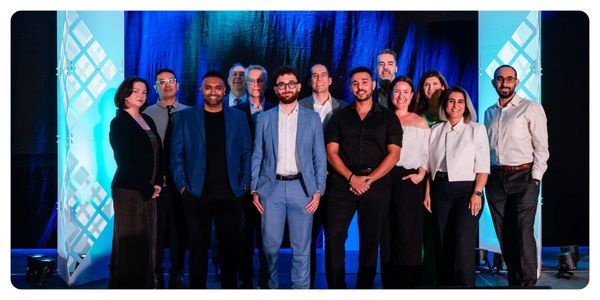
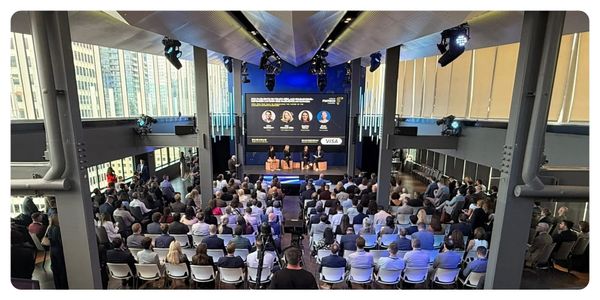
Capital in this year’s CIX cohort is shifting from SaaS to hard infrastructure. Defense tech, climate systems, and regulated health ventures now define the highest-conviction bets, pointing to longer-cycle, capital-intensive builds.
UpNext Ecosystem Tour
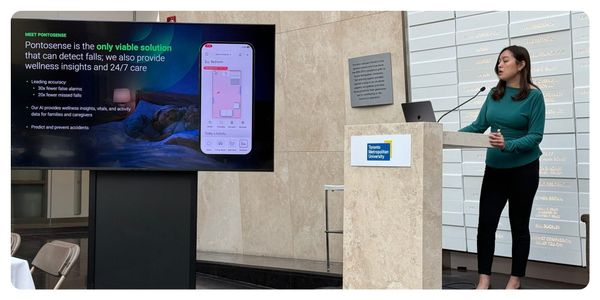
Medical device hardware is moving from research validation to commercialization readiness. Ontario's life science pipeline now produces founders who can articulate regulatory pathways and buyer economics before raising capital.
Flashpoint POV
David Mill spent three years inside contractor businesses before he tried to design for them. What he found were high performers running on empty, skilled enough to build cities and too busy to build the life they were working toward. Scelta is the operating system that closes that gap.
Flashpoint POV
While the aquaculture and pet food industries face a growing protein supply crisis, Jarna Hyvönen built Volare around a conviction that the raw material to fix it was already sitting in food factories being discarded.
What's UpNext
The F1 Circuit of the Startup Ecosystem. Tracking founders, momentum, and signals as they emerge.
Flashpoint POV
Industrial operators running mining equipment, ferries, and logistics fleets need batteries designed for their reality, not adapted from EV technology. Anders Teigland founded TioTech in Bergen to fill that gap with TitanB, an anode material that charges in six minutes and delivers 90% uptime.
Join our global community of founders, investors, and innovators discovering the stories, startups, and movements shaping the future.
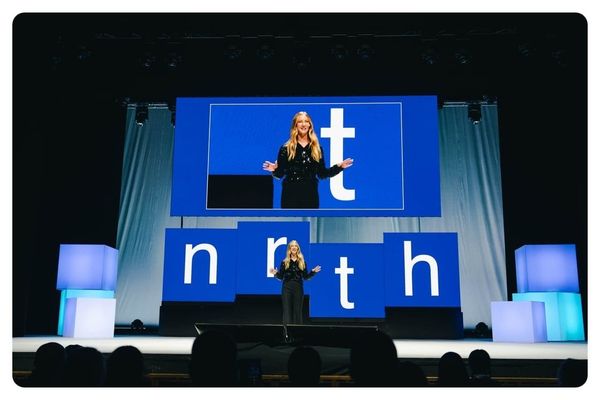
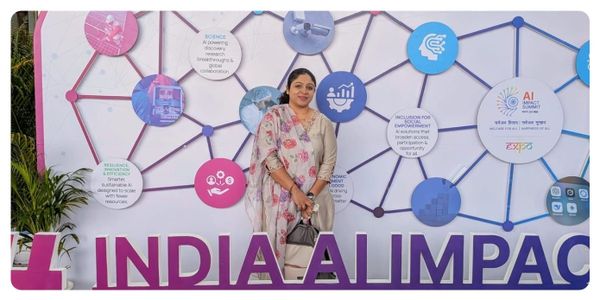
Europe's student-run startup conference shifted from AI hype to deep tech commercialization. The Alpine region positioned itself as a structural advantage for industrial innovation, with founders moving from research prototypes to scalable companies.
When Chris Coomes was handed 100 startup applications with no way to rank them, he realized the early-stage funding ecosystem had not evolved in twenty years. He built X1 Pipeline, an AI-native platform whose investability score evaluates any startup, anywhere, on the same terms.
Ómar Thor Ómarsson spent years as a CMO and agency director watching great B2B companies stay invisible online. He built Optise, the world's first self-driving B2B website platform, to fix that.
Andrea Demichelis grew up on the Italian Riviera dreaming of a career in finance, then discovered that donations alone cover just 4% of the cost of providing clean water access. He built Elliot for Water, a productivity dashboard that funds clean water projects in developing countries.
A Turkish-American mother of two saw the gap between New Jersey and Turkey: parents searching for children's activities with no dedicated platform to find them. She built Bulbi, a marketplace for kids aged 0-12, and reached the Web Summit Qatar semi-finals.
When Edgar Azcorra's activewear customers kept coming back, he knew it was because he had asked them what they wanted first. Xactsize is the fit-intelligence platform he built after realizing that the rest of the apparel industry had never asked the same question.
A Spanish founder who grew up hungry and moved across three continents found a NASA irrigation technology during COVID lockdowns, built a patented indoor garden sold at Costco, and is now growing food in a Saudi government greenhouse for a nation that imports 90% of its food.
Jordan Goure spent two decades hiring across restaurants, real estate, and hospitality before realizing the resume itself was the problem. He built Picsume to replace it, and it now powers Canada's largest hospitality network.
The F1 Circuit of the Startup Ecosystem. Tracking founders, momentum, and signals as they emerge.
Amateur sports organizations still run on disconnected apps, paper brackets, and no persistent athlete records. Andrii Luzin and Katerina Ianovskaia built Fitofan, a single platform now managing competitions, federations, and athlete profiles across 62 sports in 160 countries.
Kirshen Naidoo spent 17 years watching engineering firms waste a third of their labor budget on idle engineers, then built Gig Engineer, a South Africa and Qatar-based platform that connects companies with on-demand engineering talent globally.
By screening millions of compounds computationally before lab work begins, Rayca Precision is shortening the path from molecular design to oncology treatments.