
Google for Startups Accelerator Canada 2026
Canada's AI ecosystem has moved from research credibility to deployment infrastructure. The 2026 Google Accelerator cohort signals the shift — 14 startups building for enterprise buyers, not labs, with technical stacks vetted for scale.

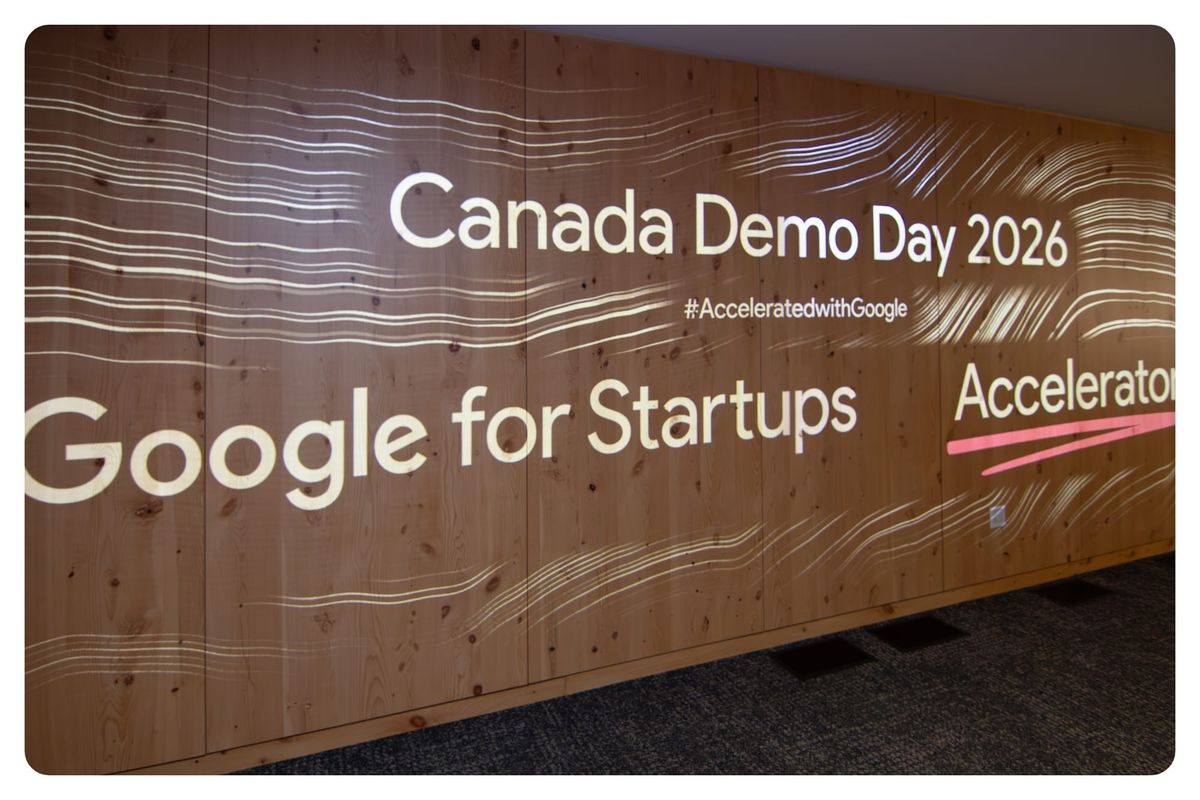
Canada has long held the research credentials. The question this year was whether the ecosystem has built the commercial infrastructure to match.
The 2026 Google for Startups Accelerator Canada cohort answered that. For the second consecutive year, the program required an AI or ML foundation as entry criteria — not a trend, a permanent filter. What surfaced at Demo Day during Toronto Tech Week was 14 companies building automation into existing workflows, not theoretical applications. Enterprise buyers, not lab researchers. Regulated industries, not sandboxed pilots.
The shift is structural. Healthcare, manufacturing, real estate, agriculture, finance. These are industries with long procurement cycles, legacy infrastructure, and risk-averse buyers. The founders who made this cohort understand that deployment is not what happens after product-market fit. It is the product.
Since 2020, the program has supported 148 Canadian startups that have collectively raised $580M+ CAD and created 1,400+ jobs. The 2026 cohort is the next generation of that track record.
81.5% of founders now use AI for content. 58.7% say it doesn't sound like them.
They surveyed 92 founders to find out why — and what the ones who've cracked it are doing differently. Free report, no gate.
What Stood Out
The cohort reflected a clear thesis: automate the workflow that already exists, not the one you wish existed.
Every company presented clear integration points with systems already in production — EMRs, CRMs, factory equipment, municipal databases — and addressed specific operational bottlenecks rather than broad market opportunities. Founders spoke about deployment timelines, regulatory pathways, and buyer workflows with the specificity that only comes from already being in the field.
Five patterns repeated across the 14 companies:
Integration over replacement — systems built to work alongside existing infrastructure, not require overhauls, lowering adoption friction in risk-averse industries.
Workflow compression, not feature expansion — platforms reducing multi-week processes to minutes through automation of manual tasks, not adding capabilities.
Human-AI pairing in high-stakes decisions — several companies combined automation with expert oversight, acknowledging full automation isn't viable in domains requiring judgment or regulatory accountability.
Domain-specific data as the foundation — companies treating unstructured industry data (zoning documents, clinical protocols, transaction records) as the core asset, not an afterthought.
Operational bottlenecks as product strategy — targeting specific capacity constraints where automation directly affects throughput and margins.
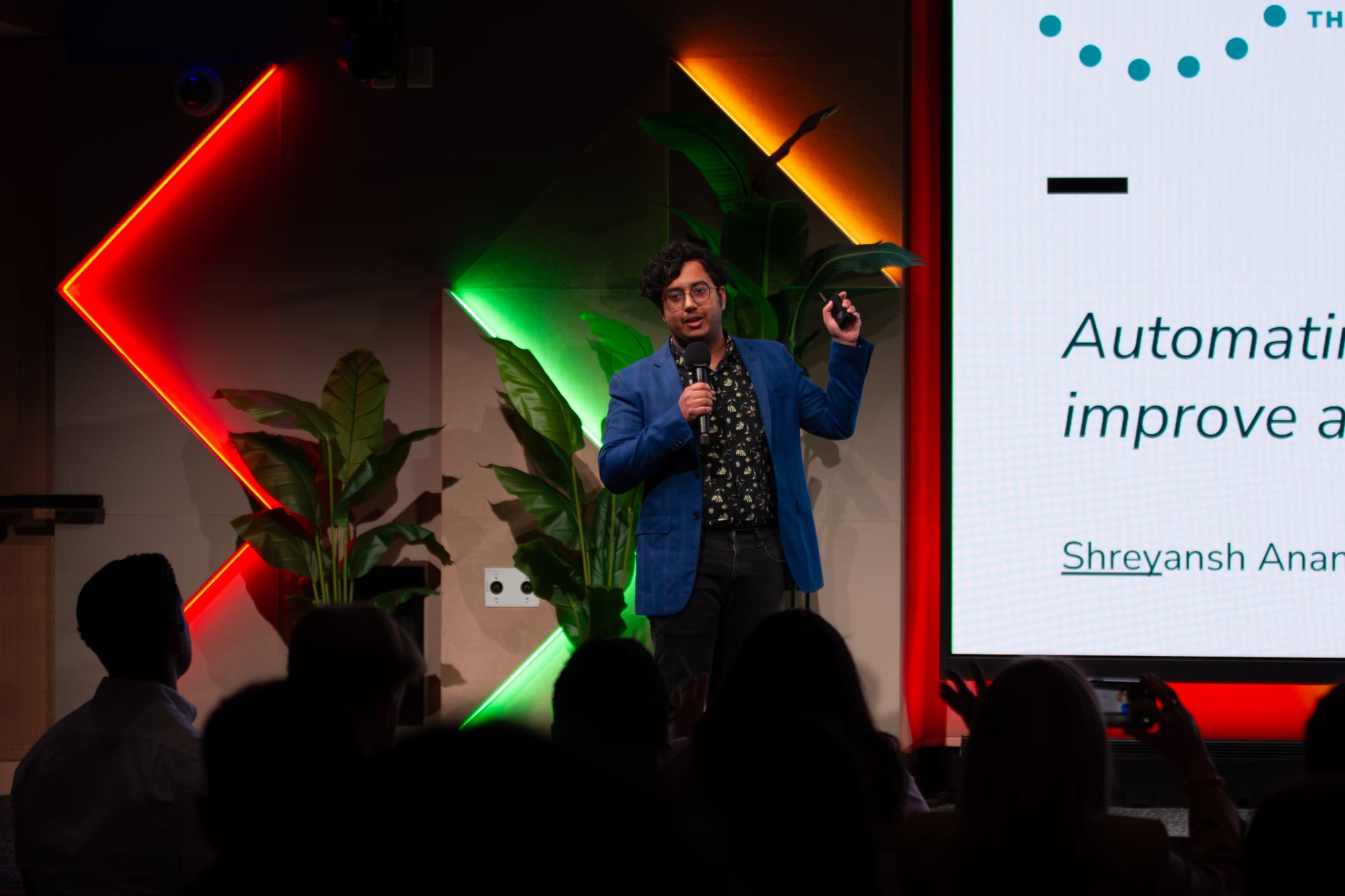

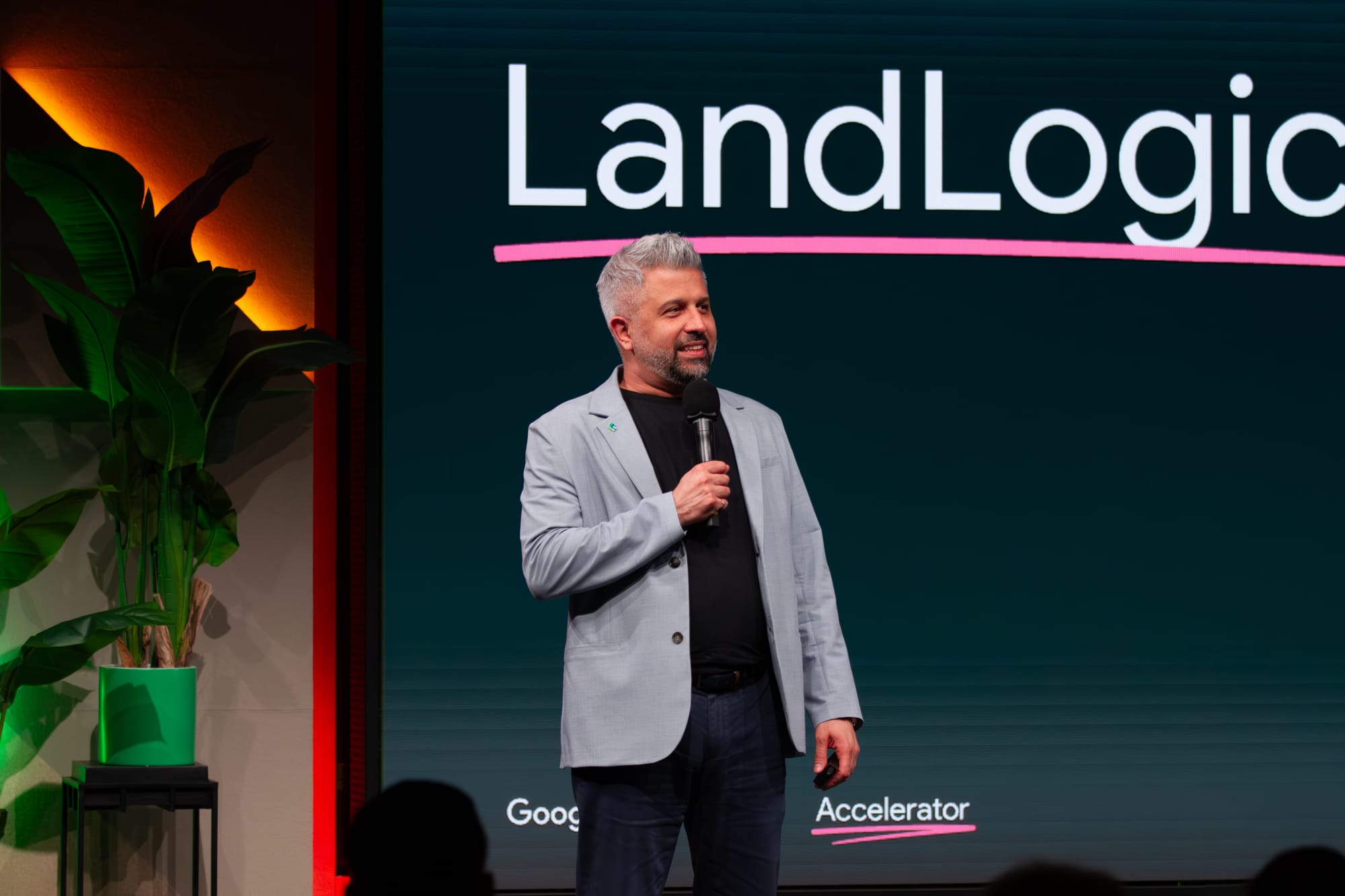
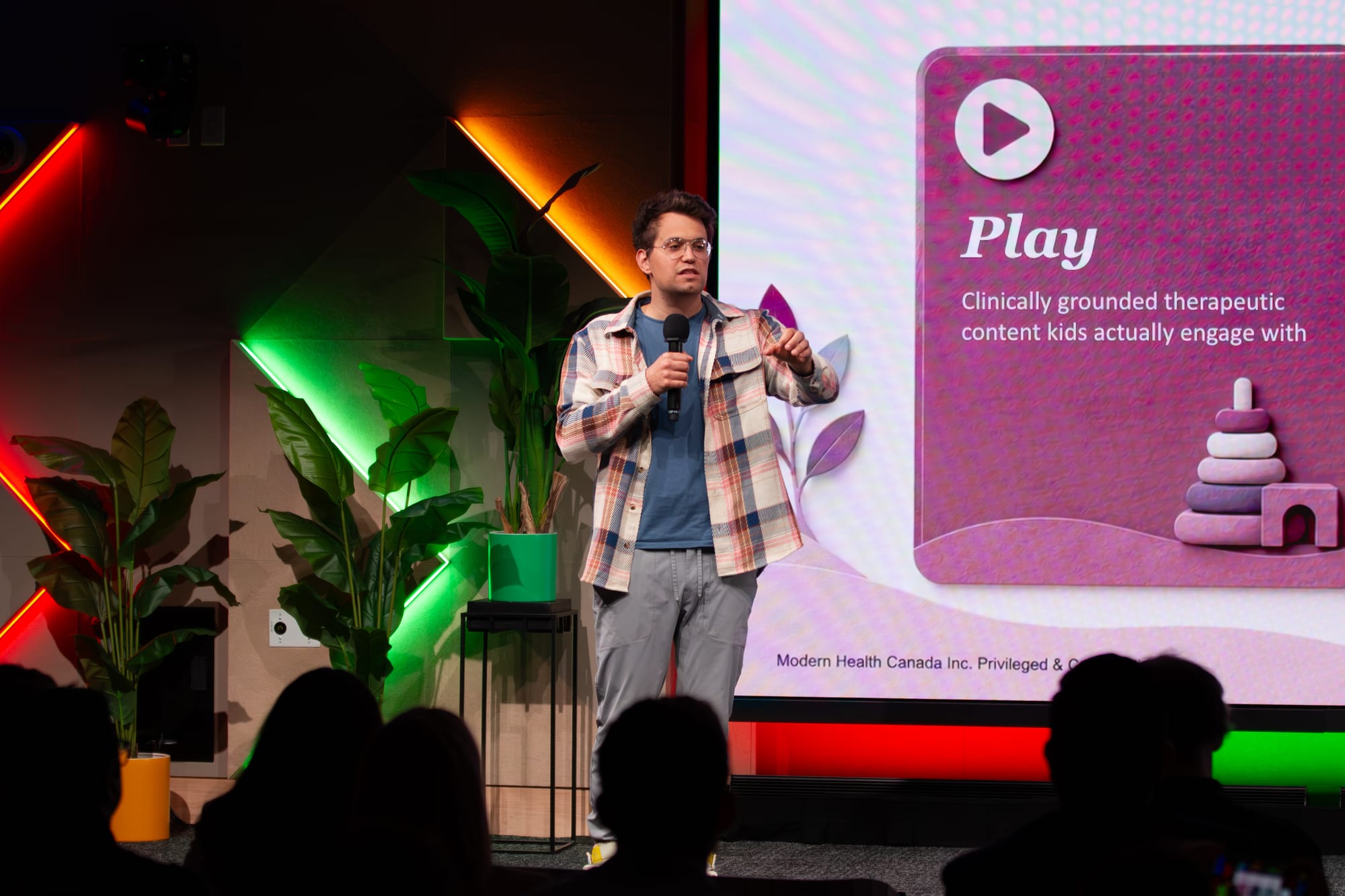
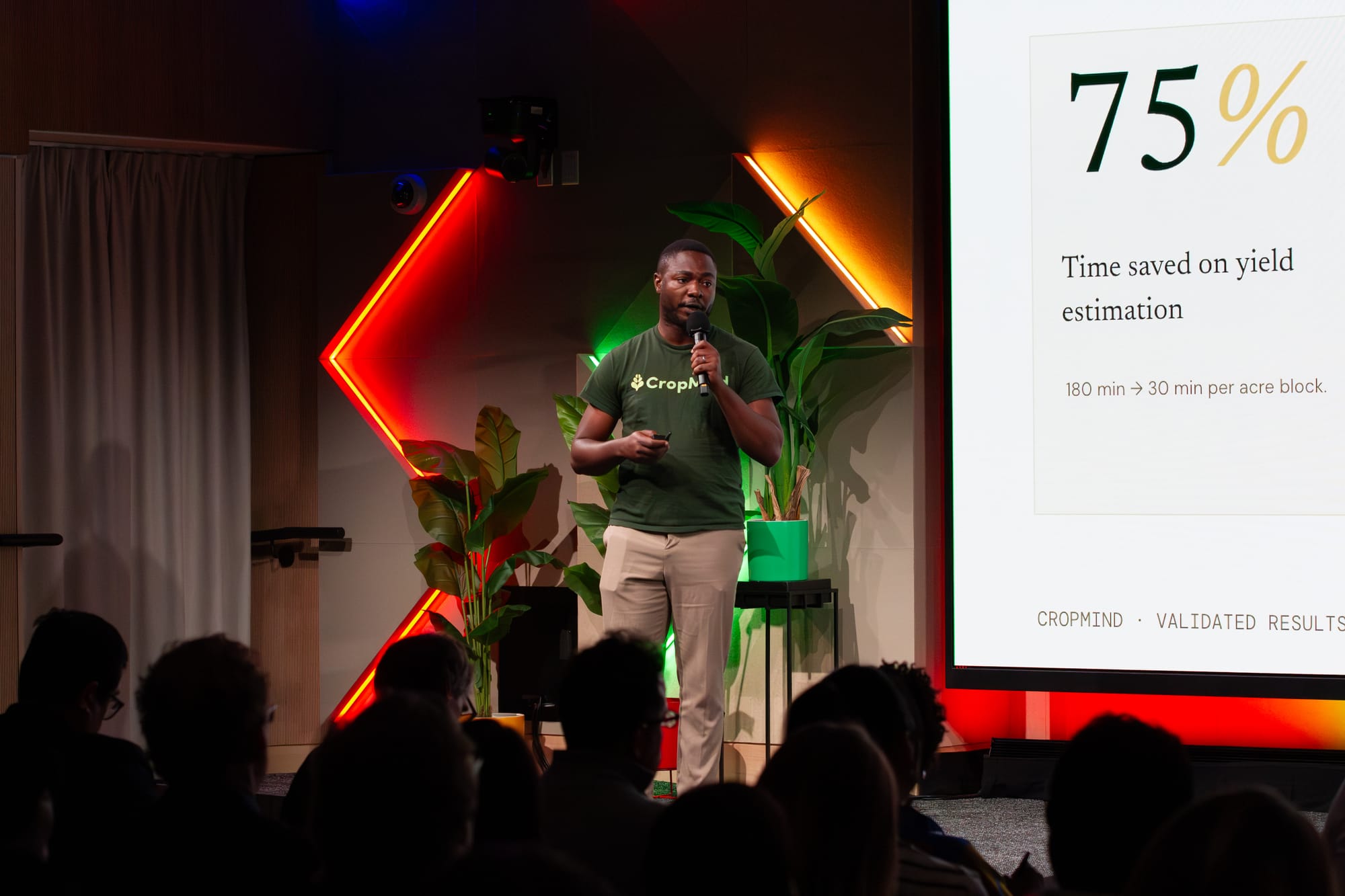
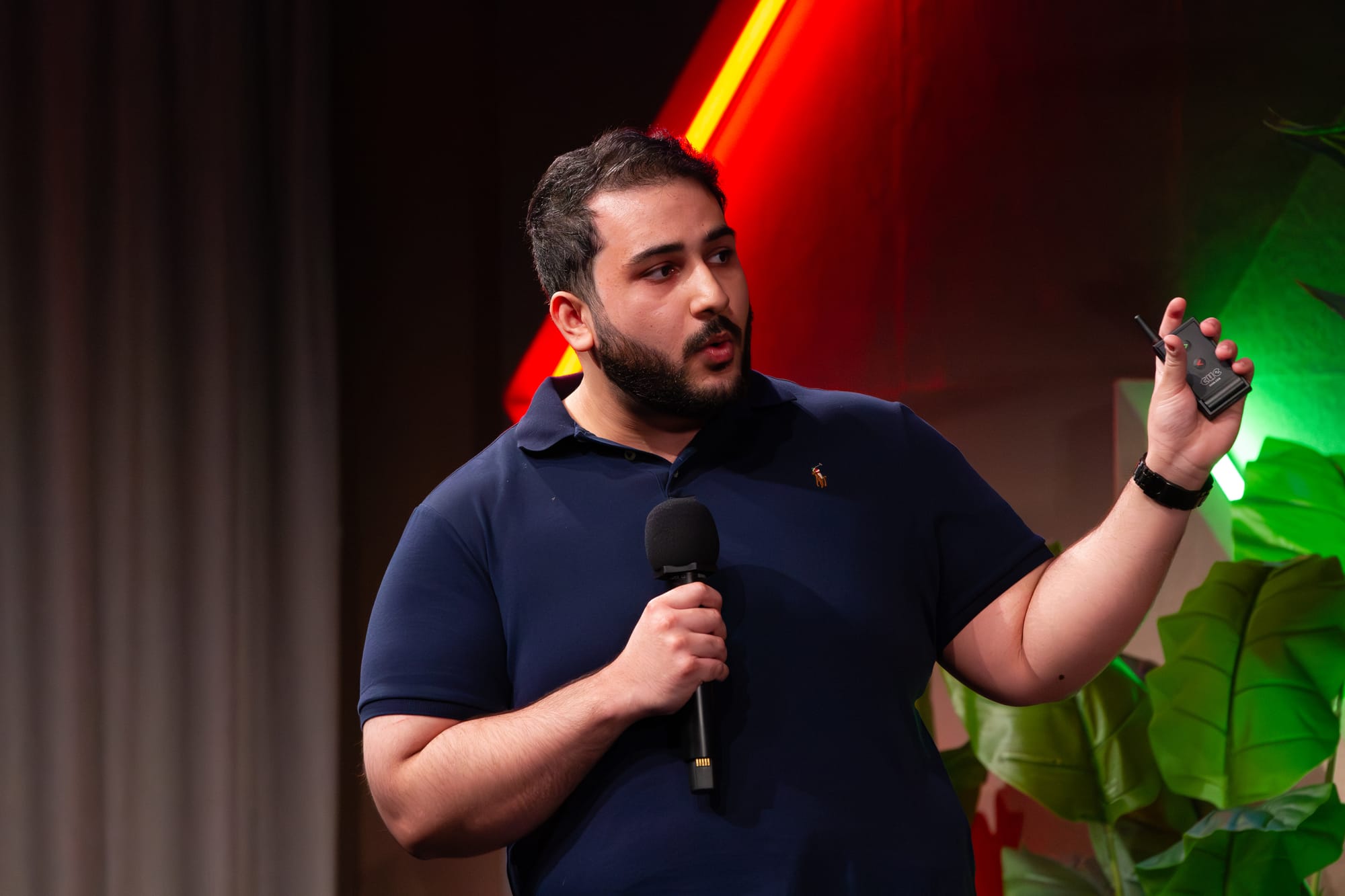
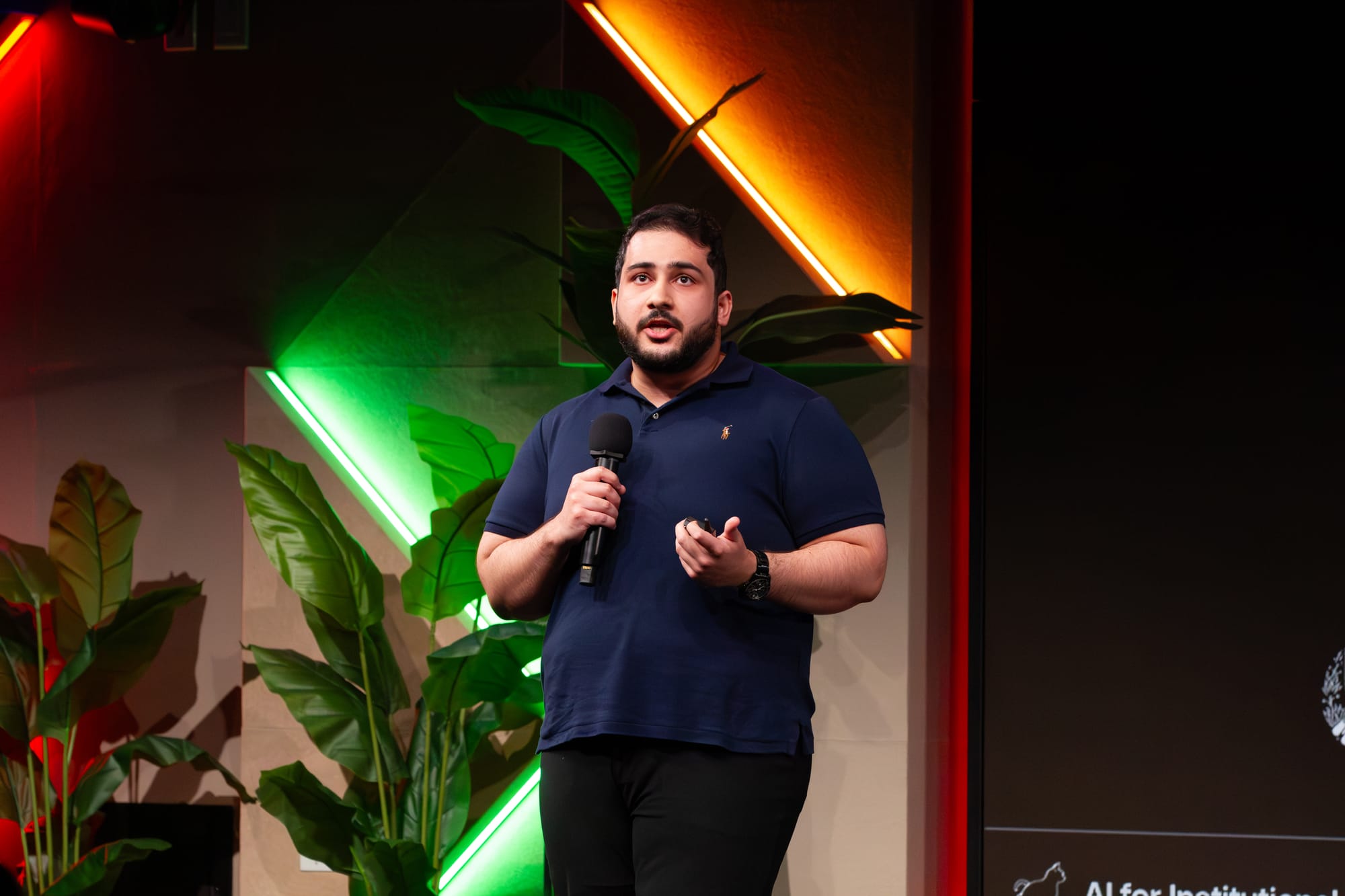
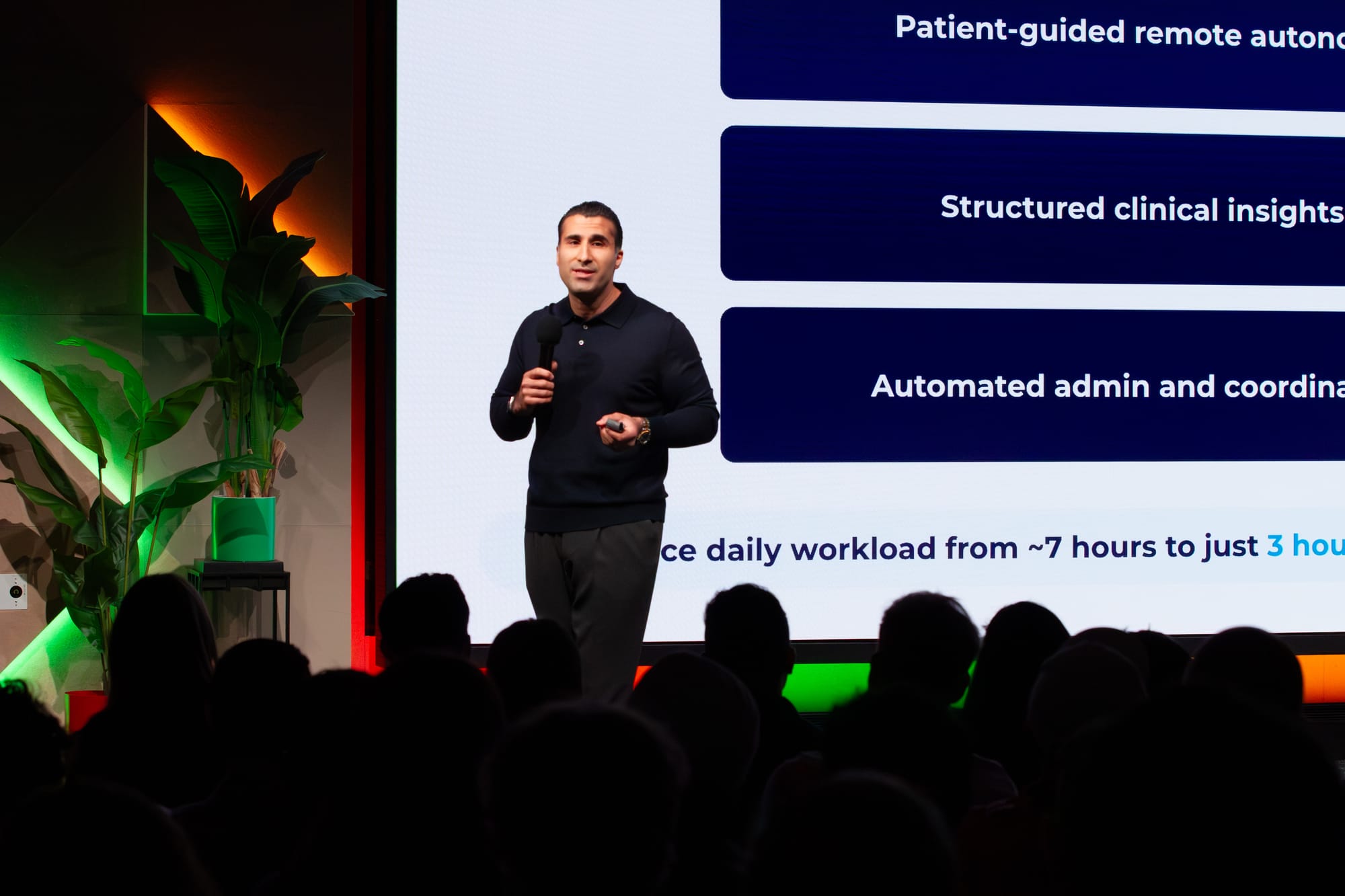
Photo credit: Archipelago Productions
The Cohort
Accord — Ross Rich AI revenue execution platform that embeds sales methodologies like MEDDPICC directly into the seller's workflow, automating account research and executive summaries. Raised $7M from Y Combinator, Stripe, and Matrix. [Enterprise AI]
Actuality — Rishabh Gupta Automates RFP responses for architecture, engineering, and construction firms — generating proposal content, checking compliance, and organizing past documentation in one system. Purpose-built for AEC workflows, not adapted from generic tools. [Construction AI]
AllMind AI — Anwaar Malik Research terminal for institutional investors that consolidates broker research, financial data, and agentic workflows to automate document analysis and investment memo generation. Treats research automation as a workflow problem, not a search problem. [Fintech AI]
Amical — Tony Aubé Screen-free phone with an AI companion for seniors and people with cognitive disorders. Initiates wellness check-ins, provides conversational support, and functions as a standard phone — managed through a web portal for families and care staff. [Senior Care AI]
Banting AI — Madison Wright Extracts and structures data from clinical trial protocols, then automates downstream workflows including task management, ethics submissions, and budgeting. Treats the protocol document as the source of truth for the entire operational chain. Backed by Staircase Ventures. Also selected for CancerX 2026. [Clinical Trial AI]
CropMind — Damilare Odumosu Computer vision software that analyzes drone and camera footage to automate fruit counting, harvest prediction, and field mapping. Turns visual data into operational decisions without requiring growers to interpret raw imagery. Deployed across 5 farms. Previously Techstars 2025. [AgriTech AI]
EyeCareX — Justin Asgarpour Automates eye exam diagnostic workflows, allowing clinics to handle patient throughput without a clinician present for the routine exam itself. Directly addresses staffing shortages across vision care. [Healthcare AI]
Innovate-Ops — Dennis Kuzmenko Industrial IoT and AI platform that monitors equipment health, tracks energy usage, and optimizes performance in real time for manufacturers — without requiring infrastructure overhauls. Raised $2M seed. [Manufacturing AI]
LandLogic — Arash Shahi Standardizes zoning, planning, and property data across municipalities into a parcel-level intelligence platform. Makes regulatory information queryable and machine-readable. Integrated with Teranet's GeoWarehouse and One Ontario. [Real Estate AI]
MyHealthspan — Rex Farrand Combines at-home blood testing with AI-powered health risk scoring and one-on-one coaching. Pairs clinical diagnostics with human guidance — addressing both the interpretation problem and the adherence gap in preventive health. Established employer partnerships. [Longevity / Preventive Health]
Opener — Gilad Rom Automates wholesale prospecting for CPG brands — identifying best-fit retail stores, validating buyer contacts, and executing personalized outreach. Replaces expensive broker models with automated top-of-funnel sales. Serving 250+ brands. [CPG Sales AI]
Optionality — Simon Leroux & Aymeric Freymond Combines data from 150,000+ private transactions with AI and chartered business valuators to deliver professional-grade business valuations and exit planning. Reduces valuation time by 10x. 1,500+ businesses valued, 500+ entrepreneurs supported. [SME Finance AI]
PlaySpace — Matt Cohen Provides mental health clinicians with customizable virtual playrooms and 3D games for interactive therapy with children and teens. Shifts therapy from passive conversation to active play — directly addressing dropout rates in pediatric mental health. [Mental Health AI]
Waive Medical — Shreyansh Anand Automates routine clinic administrative tasks — patient reminders, document triaging, task management — integrating with existing EMR systems rather than replacing them. Serving 250+ clinics across Canada. [Healthcare Admin AI]
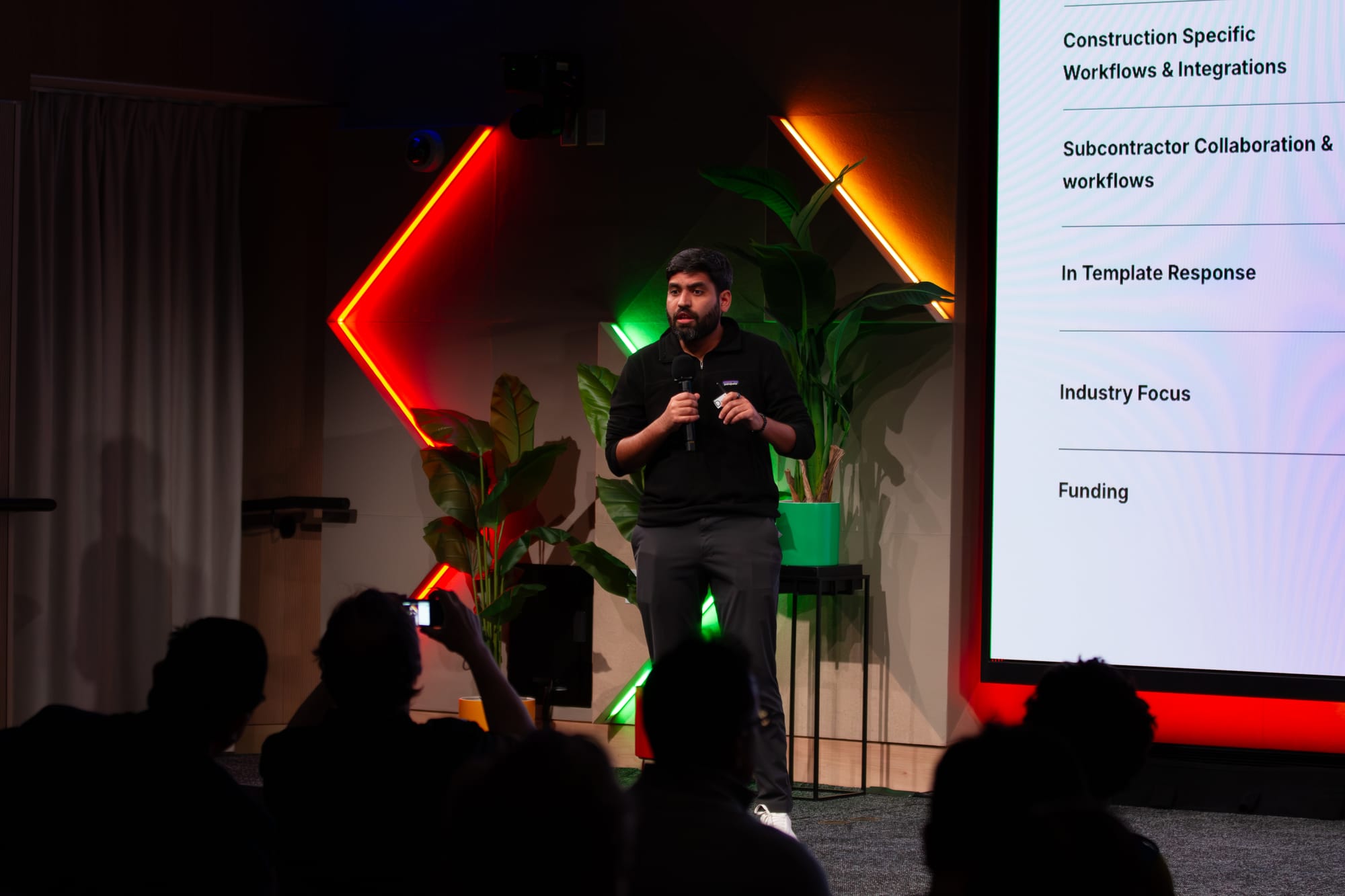
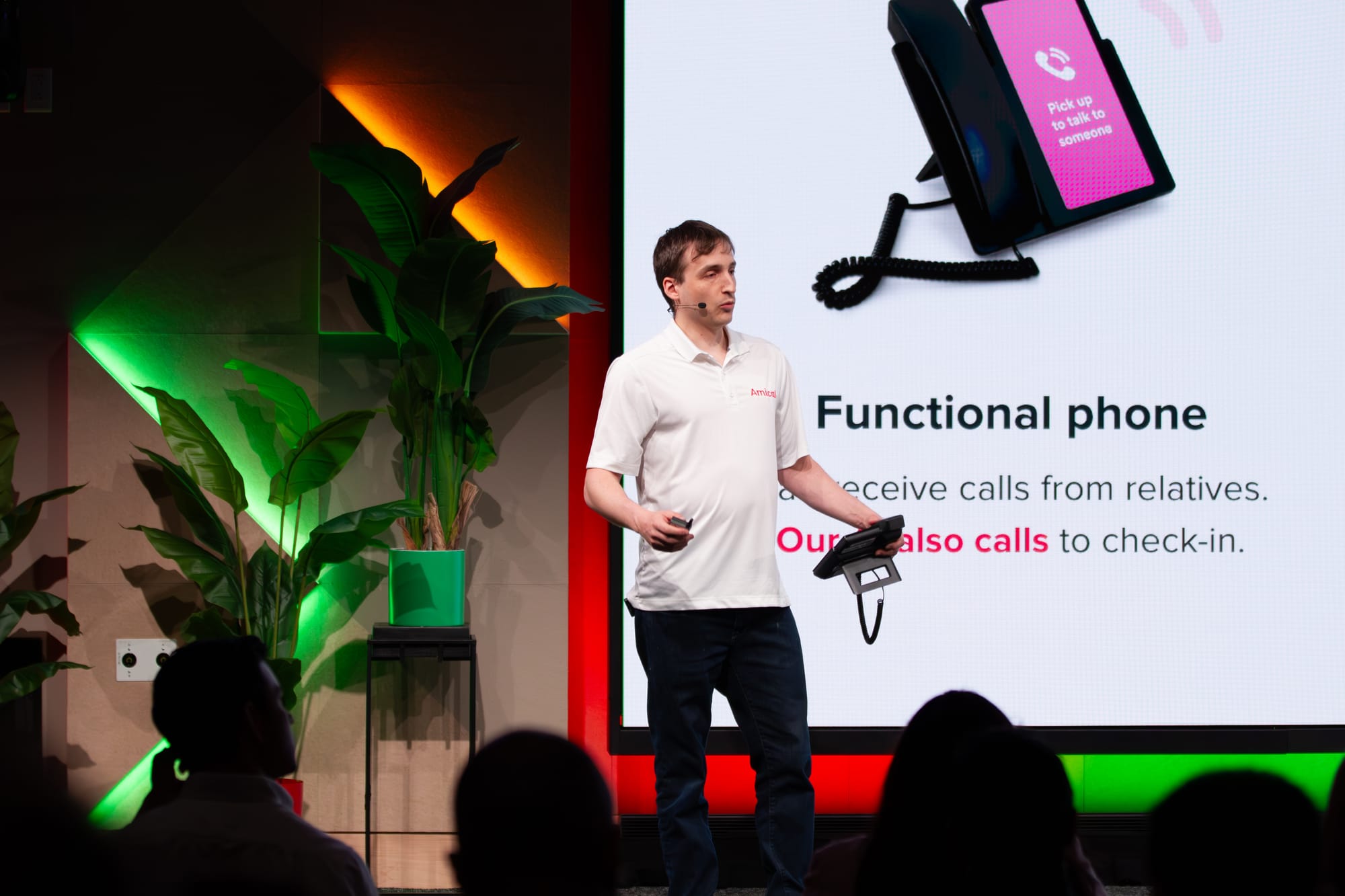

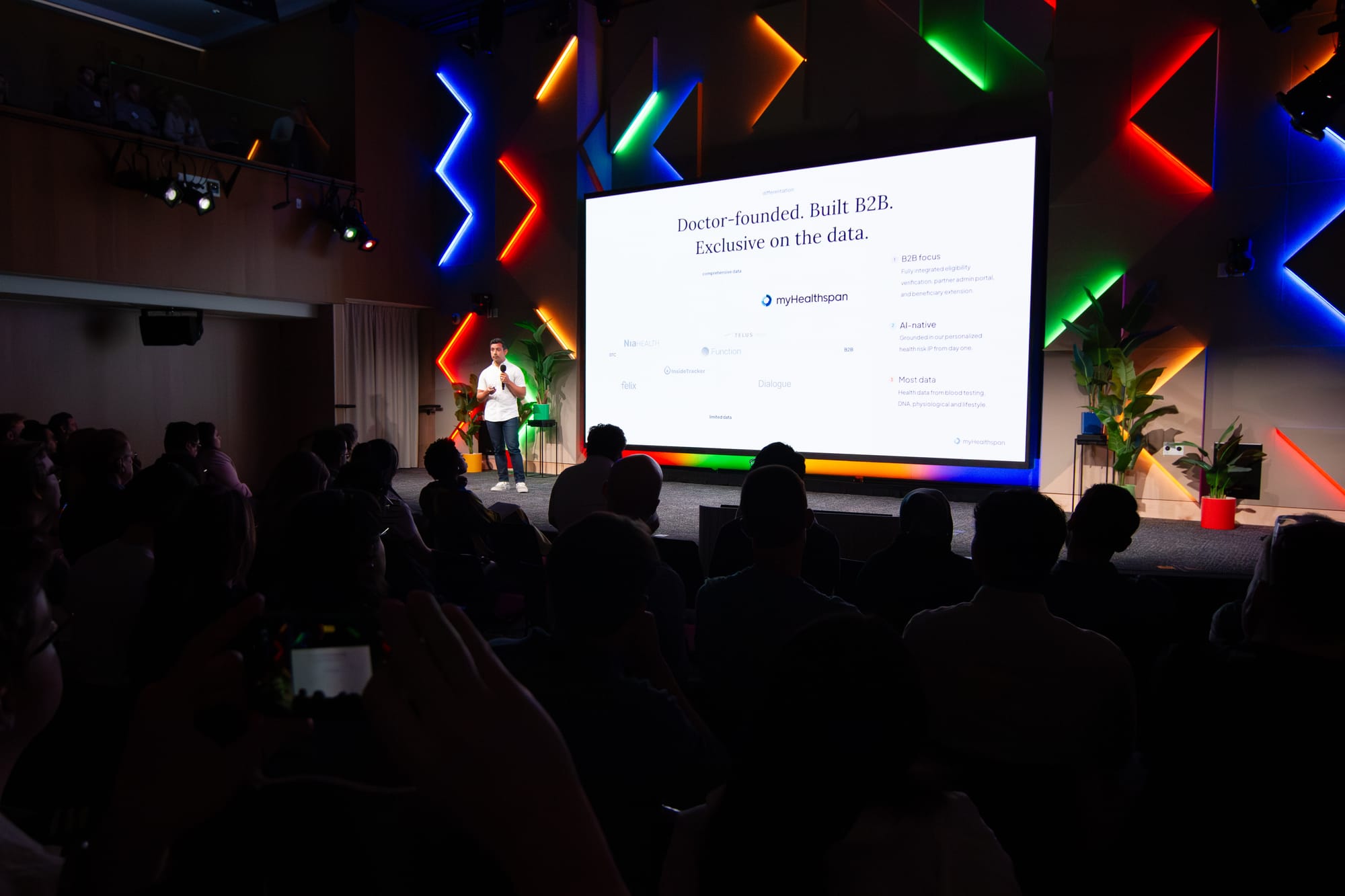
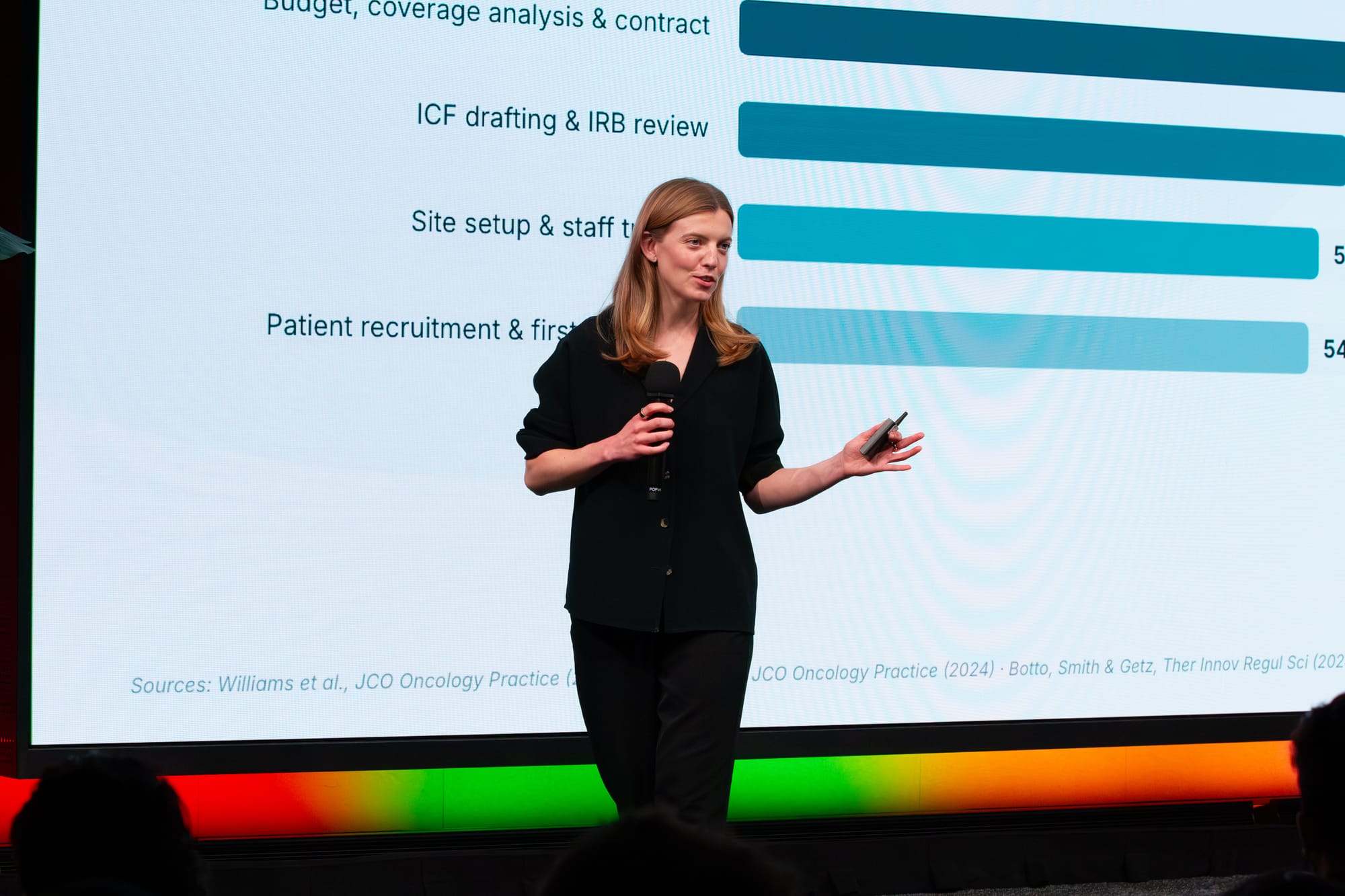
Photo credit: Archipelago Productions
The Signal
This cohort marks a threshold. Canadian AI startups are no longer competing on research lineage. They are being measured on their ability to deploy into enterprise environments under real constraints — supply chain limitations, regulatory frameworks, existing legacy infrastructure.
The $580M raised by program alumni and 1,400+ jobs created since 2020 confirm that Google's technical validation translates to commercial momentum. The focus on Cloud optimization and responsible AI implementation shows that founders understand deployment is not a post-product concern. It is the product.
The question now is whether these 14 companies can convert technical readiness into repeatable revenue with enterprise buyers who have long sales cycles and strict procurement standards.
The answer starts now.
Google for Startups Accelerator Canada 2026. A key stop on the UpNext World Tour. startup.google.com/programs/accelerator/canada