Why Retail Media Keeps Failing Smaller Retailers and How Cruxo Is Built to Fix It
Brands and retailers across Central and Eastern Europe have been handed retail media solutions that start three stages ahead of where they actually are. Jakub Spryngl and his co-founders left Procter & Gamble to build Cruxo, the platform that meets them where they are.

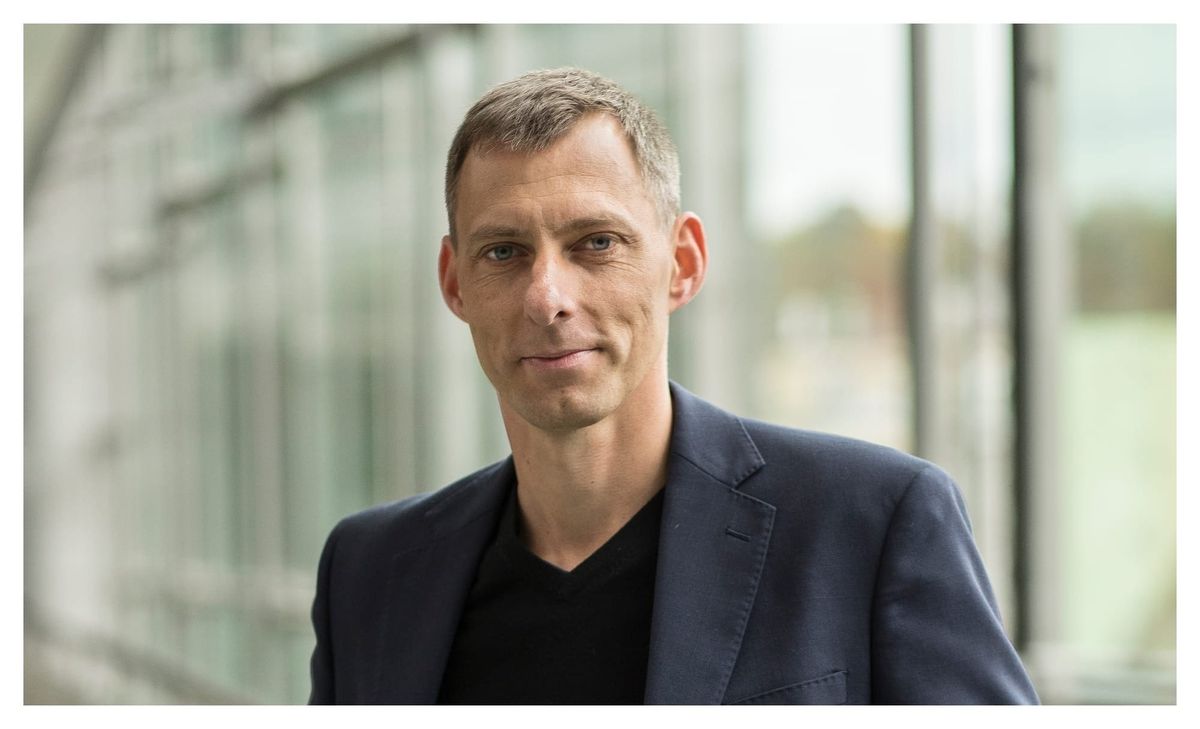
Retail media has a sequencing problem, and it is costing smaller retailers across Central and Eastern Europe the opportunity entirely. The platforms built by global players arrive loaded with complexity, first-party data strategies, programmatic inventory, and media agency budgets, starting the conversation at a stage most operators aren't ready for. Jakub Spryngl spent years on the brand side at Procter & Gamble, where he saw firsthand what brands actually need from retail media, what they are willing to invest in, and which tools are truly relevant in day-to-day practice.He and his four co-founders built Cruxo, an AI-powered omnichannel retail media platform, around a different premise: meet retailers where they are, simplify what they already do manually, and build the foundation before anything else.
He switched from law to sales and never looked back
Jakub grew up in the Czech Republic and began studying law before deciding the profession wasn't for him. He switched to business and quickly found his footing. His strongest professional trait, by his own description, is what the StrengthsFinder framework calls "woo" — the ability to walk into a room, build a relationship, and make something happen. Combined with the persistence and discipline he developed through years of competitive sport, it made him well-suited to the world he was about to enter. Procter & Gamble assigned him to three locations and gave him oversight spanning the Central European markets. (including Baltics, but no Latin America, Southeast Asia, and the Middle East - these are my focus markets now). The international fluency he built there became one of the things Cruxo would eventually run on. Working inside a global brand also gave him a practical view of how retail media is experienced from the advertiser side: not as a theory, but as a daily operational reality shaped by budgets, planning cycles, commercial priorities, and execution pressure. The international fluency he built there became one of the things Cruxo would eventually run on.
The Baltics scorecard became a company
The moment the company actually begins is unglamorous. Jakub (sounds better) was managing the Baltics markets at P&G when he asked his sales team to execute an online commercial strategy. They came back with nothing. The tools didn't exist in a form they could use, and nobody had shown them how to bridge the gap between the plan and the ground. He built them a scorecard himself. It was manual and imperfect, and it revealed something he couldn't unsee. The market was being did not have any handed solutions on hand designed for organizations three stages ahead of where they actually were.
His co-founders were encountering the same problem from different angles. Between them, they carried over 50 years of P&G experience, along with a media agency exit to Dentsu and deep expertise in ad-serving technology, the underlying infrastructure retail media runs on. Together, they built Cruxo as a SaaS platform that guides retailers on a journey that starts with simplification. That journey was shaped by direct experience on the brand side: knowing which capabilities brands genuinely need in order to activate retail media, and which features matter most in daily operations. That is why Cruxo focuses on practical modules such as budget management and booking calendar, tools that help retailers and vendors manage real commercial workflows before layering on more advanced monetization. It automates manual processes, adds tracking and reporting, scales inventory, and advances to monetization stages that everyone else leads with. The boutique model means the technology arrives with hands-on guidance at every step. "Technology as such doesn't do anything without proper usage," Spryngl says. That conviction is the architecture of the business.
Eleven markets in, and the foundation is just getting started
Cruxo now operates across 11 European markets, with Central and Eastern Europe as its core territory. The fragmentation that kept global players from focusing there became the opening. The company more than doubled revenue last year and is projecting the same again within the next six to twelve months. The retail media concept is also expanding beyond traditional retail. Cruxo is now working with banks and financial institutions, and Jakub sees the same logic applying wherever companies manage complex commercial relationships manually. A big part of that relevance comes from flexibility: Cruxo is designed to adapt to the needs of each retailer, whether that means combining different pricing models, working with different retail media tools, or creating a channel mix that reflects local commercial realities rather than forcing a one-size-fits-all model. The next stage is scaling the platform's unique functionality and expanding beyond Europe.
He joined his co-founders because of the people, long before the potential was obvious. The way the team operates without needing values posted on the walls was what he wanted to be part of. The scale came later. "The playfield is given in a corporation," he says. "Here I define the playfield." For someone who left law because it was boring and spent fifteen years learning how markets work from the inside, that freedom is the point.
About Flashpoint POV Spotlights
Flashpoint Global produces each Founder POV Spotlight using its proprietary category leadership framework. Every Spotlight begins with a Future Narrative session, where a founder’s POV is clarified and operationalized as the lens through which new categories are built. The result is content that moves founders beyond product messaging and into the role of category leader, helping the market understand the problem, the stakes, and the future being created.
If you are a founder building a new category, learn more.